Squeal, grind or soft pedal: what your brakes are telling you
Brakes usually give plenty of warning before they fail. What the common noises and feelings mean, and why the hills round Buxton wear brakes faster.
2 min read
Brakes rarely fail without warning. They squeal, grind, pull, shake or go soft first. Learn what each one means and you will catch the problem while it is still a cheap job.
A high squeal
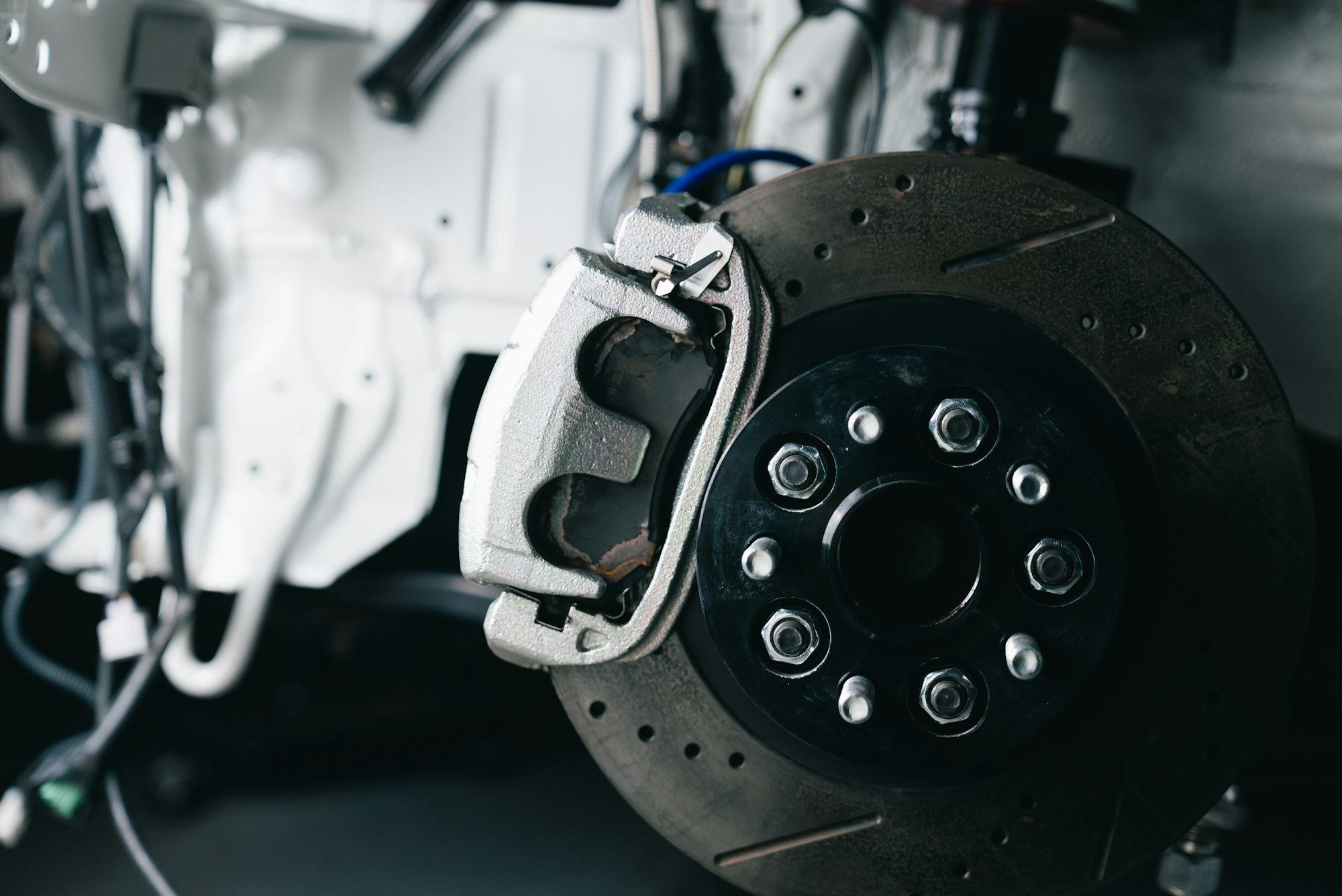
Many brake pads have a small metal tab that touches the disc once the pad gets thin. It squeals on purpose, to tell you the pads are due. A squeal can also come from dust or glazed pads, but a new squeal that won't go away is worth a look.
Grinding
Grinding is the one not to ignore. It usually means the pad has worn away and metal is rubbing on metal. Every mile now cuts into the disc, so a pads-only job turns into pads and discs. Get it booked in as soon as you hear it.
Pulling to one side
If the car pulls left or right when you brake, one side is working harder than the other. A sticking caliper is common, especially on a car that sits a lot or has been through a salty winter. A sticking caliper also makes its wheel run hot, and you may smell it after a drive.
Shaking through the pedal or the wheel
A vibration under braking usually points to discs that have worn unevenly. It is often worse coming down a long hill, when the brakes are hot.
A soft or sinking pedal
A pedal that feels spongy, or goes further down than it used to, is a safety problem. It can mean air or water in the brake fluid, a leak, or a master cylinder on its way out. Don't drive far on it. Ring us.
Why brakes work hard round here
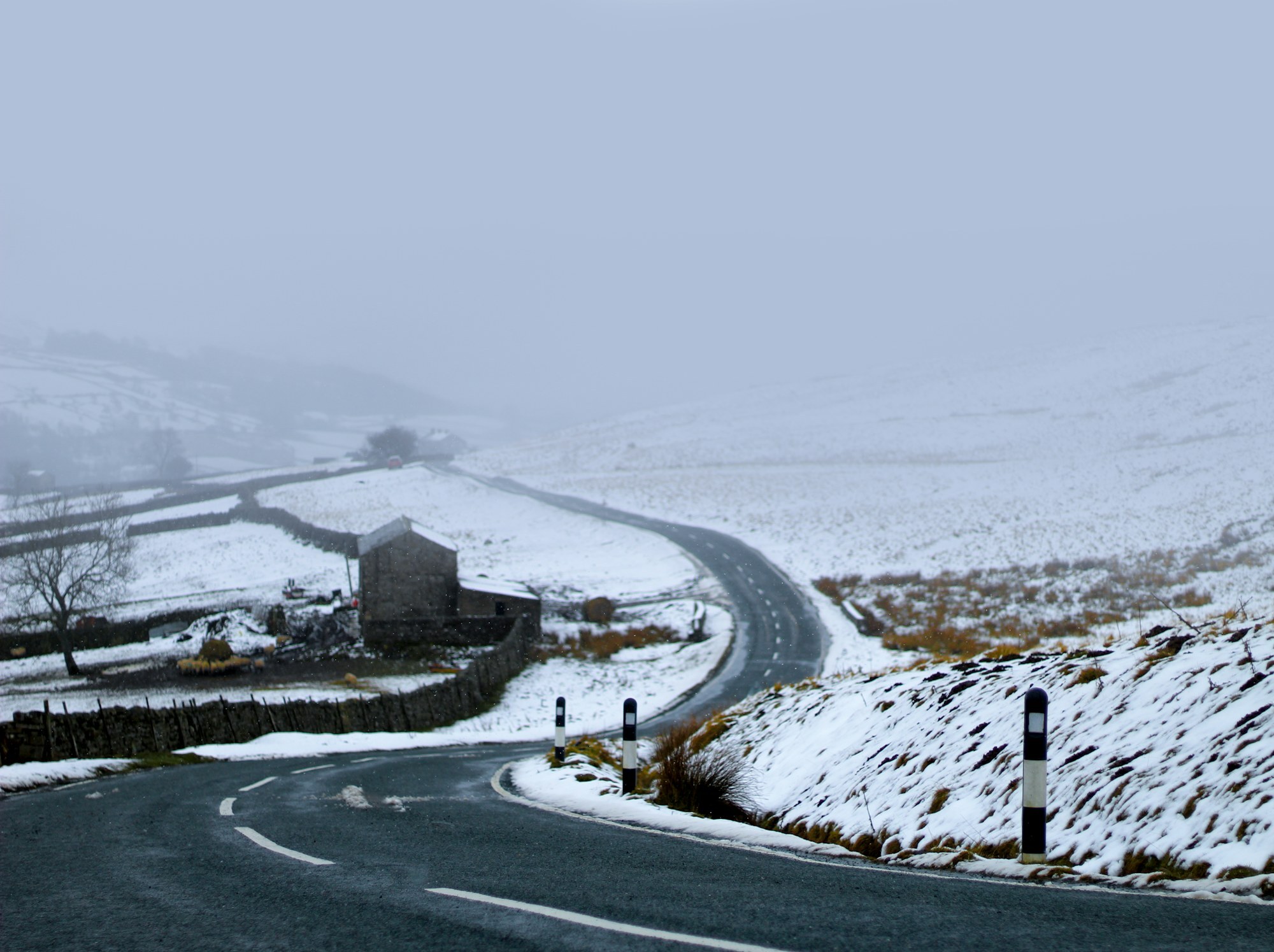
Buxton is one of the highest towns in England, and nearly every way out of it goes downhill. Long descents on the A6, the A53 and the lanes through the dales put a lot of heat into pads and discs. Add winter grit and road salt, and calipers and discs corrode faster than they would on flat ground. If you drive these roads every day, it pays to have your brakes checked more often.
Habits that help
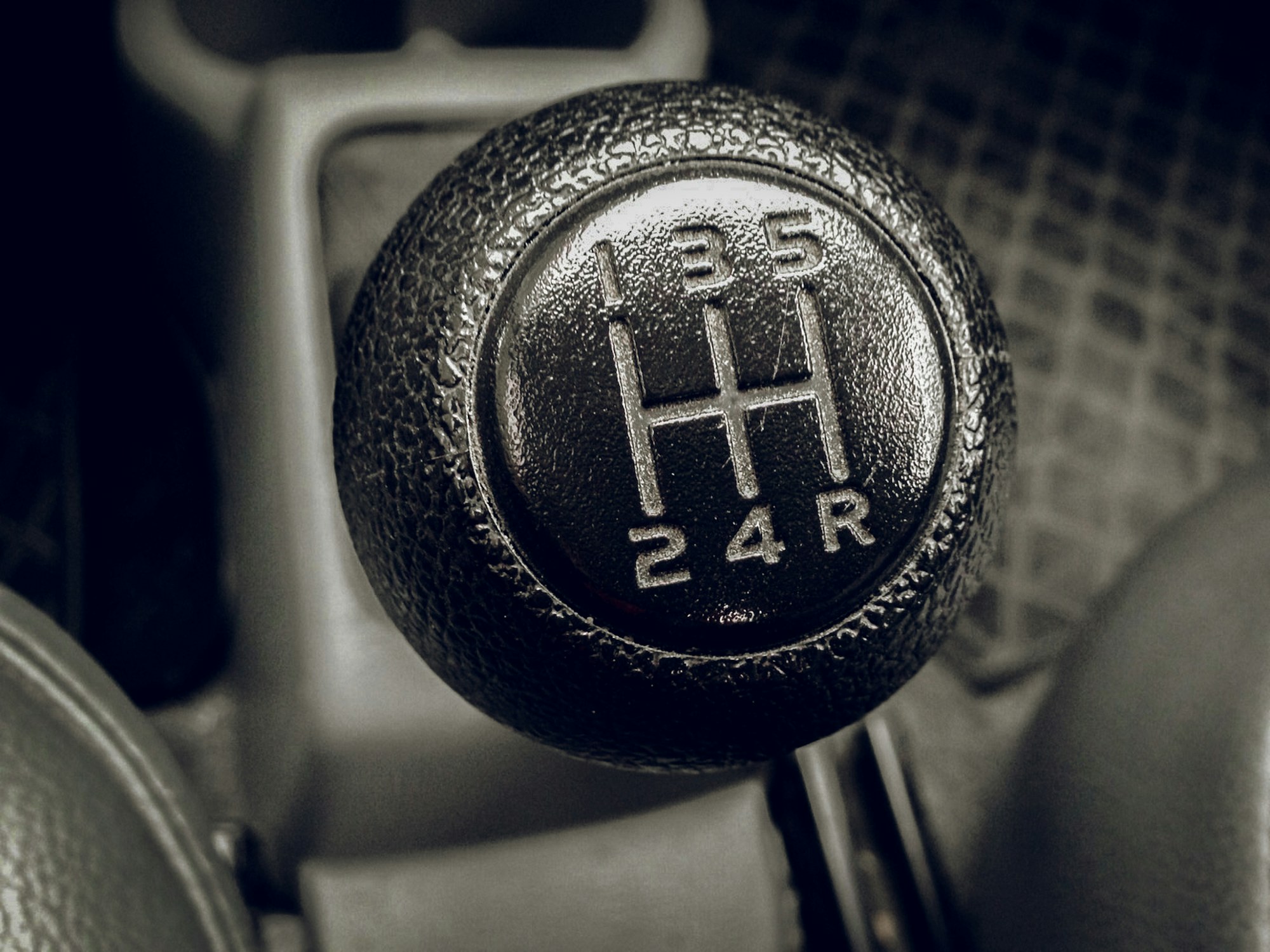
- Use a lower gear on long hills, so the engine does some of the slowing.
- Brake firmly and then ease off, rather than resting on the pedal all the way down.
- Use the car regularly. Brakes on a car that sits for weeks are more likely to stick.
- Listen. A new noise is the cheapest time to find a problem.
Most brake work can be done on your drive. Our brakes section lists what we check.
Hearing something from your brakes?
Ring or message us and describe the noise.
Get your brakes checked